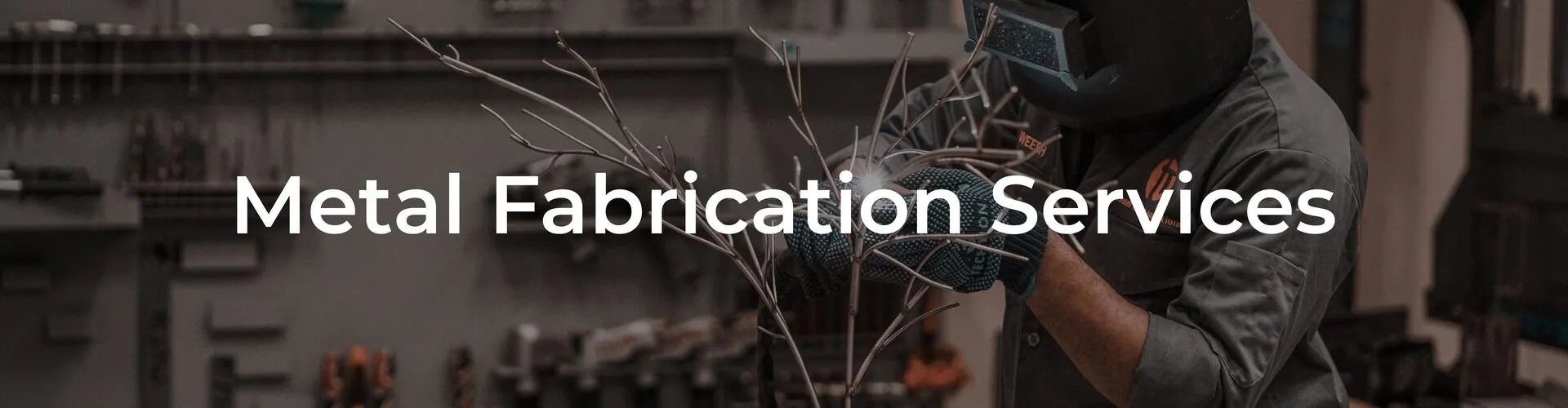
Basic Tools Used In Metal Fabrication

Metal fabrication shapes our world. The chair you sit on, the car you drive, and the pots in your kitchen likely passed through a fabricator’s hands. This work turns flat, hard sheets of metal into useful objects.
Massive machines do not complete every task. Simple, basic tools start the process. These trusty items are the true backbone of the workshop.
The measuring tape
Every project begins with a measurement. The metal measuring tape is a fabricator’s first tool, a principle understood by all quality metal fabrication companies near me. It is flexible, rolls up, and has clear marks. A wrong measurement at the start makes the whole piece fail. The fabricator checks and double-checks lengths before making any cut. This simple step saves metal, time, and effort, the core of any reliable fabrication service.
The marker
After measuring, you must mark the metal. A special soapstone marker or a permanent paint pen does this job. These markers make bright, clear lines that will not wipe off easily. The marked lines show exactly where to cut or bend. Without a good mark, even a perfect measurement is useless.
The angle grinder
This handheld tool is very common. It spins a disc at high speed. One disc can cut through metal. Another disc can smooth a rough edge. The angle grinder is loud and sends out sparks. It takes practice to control. But it is one of the most used tools for shaping and finishing metal pieces.
The files
Sometimes a cut edge is too sharp or uneven. Metal files fix this. A file is a simple hand tool with rough teeth. Rubbing it along the metal edge shaves off tiny pieces. Different files have different tooth patterns for smooth or rough work. They give the fabricator direct control for perfecting small details.
The clamps
Metal must stay still to be worked on. Clamps are the helpers that hold it down. They come in many sizes, like large hand vises or quick-release trigger clamps. They grip the metal tightly to a table. This allows the fabricator to use both hands freely for welding, drilling, or hammering. Nothing moves or slips.
The hammer and dolly
Shaping metal often means hitting it. A fabricator uses a special hammer and a dolly. The dolly is a heavy block of steel held behind the metal. When the hammer strikes the front, the dolly supports the back. This combination smooths out dents or curves the metal into new shapes. It is basic, physical, and very effective.

More Stories
Top Tips For Driving A Rental Convertible Car In The Summer
Cruising with the roof down brings a sense of pure freedom that every driver should enjoy. The wind hits your...
Tips On Designing Portable Kiosks For Pop-Up Retail Success
Retail is changing fast because people want unique items in cool spots. A tiny shop that moves can grab attention...
The Top Mistakes Companies Make Without An Art Consulting Partner
Empty walls or generic posters do more damage than you might think. Many leaders believe that picking a few frames...
How To Select Trusted Swimming Pool Products Suppliers
That stunning, swim-ready pool? It’s a masterpiece built from quality parts and balanced chemicals. Unfortunately, the wrong supplier can vandalize...
What to Do in the 24 Hours After Your IUD is Inserted
Choosing an IUD is a powerful decision. Knowing what to expect post-insertion allows you to manage your recovery with total...
How the Best Tailor Achieves a Perfect Shoulder Fit
The shoulders are one of the most important parts of a suit. If the shoulders don’t fit well, the whole...